
Intermittent fasting (IF) has become an increasingly popular eating pattern, whether it’s used for weight loss, lowering insulin resistance, or encouraging cellular repair. But if you’re new to intermittent fasting, you might be worried about accidentally breaking a fast too early by consuming something you shouldn’t. And while breaking a fast might keep you in ketosis, you risk certain processes like autophagy (eliminating and repairing cells) being put on pause. Which leads us to the question, does Splenda break an intermittent fast?
The short answer is not necessarily, but this depends heavily on the primary goal of your fast. If your aim is weight loss and you aren’t on a strict fast, then Splenda likely won’t break it. But if you’re fasting for other reasons (autophagy or controlling blood sugar), consuming Splenda may be a problem. You might feel a little confused with this answer, so let’s dive into all the important facts.
What counts as breaking a fast?
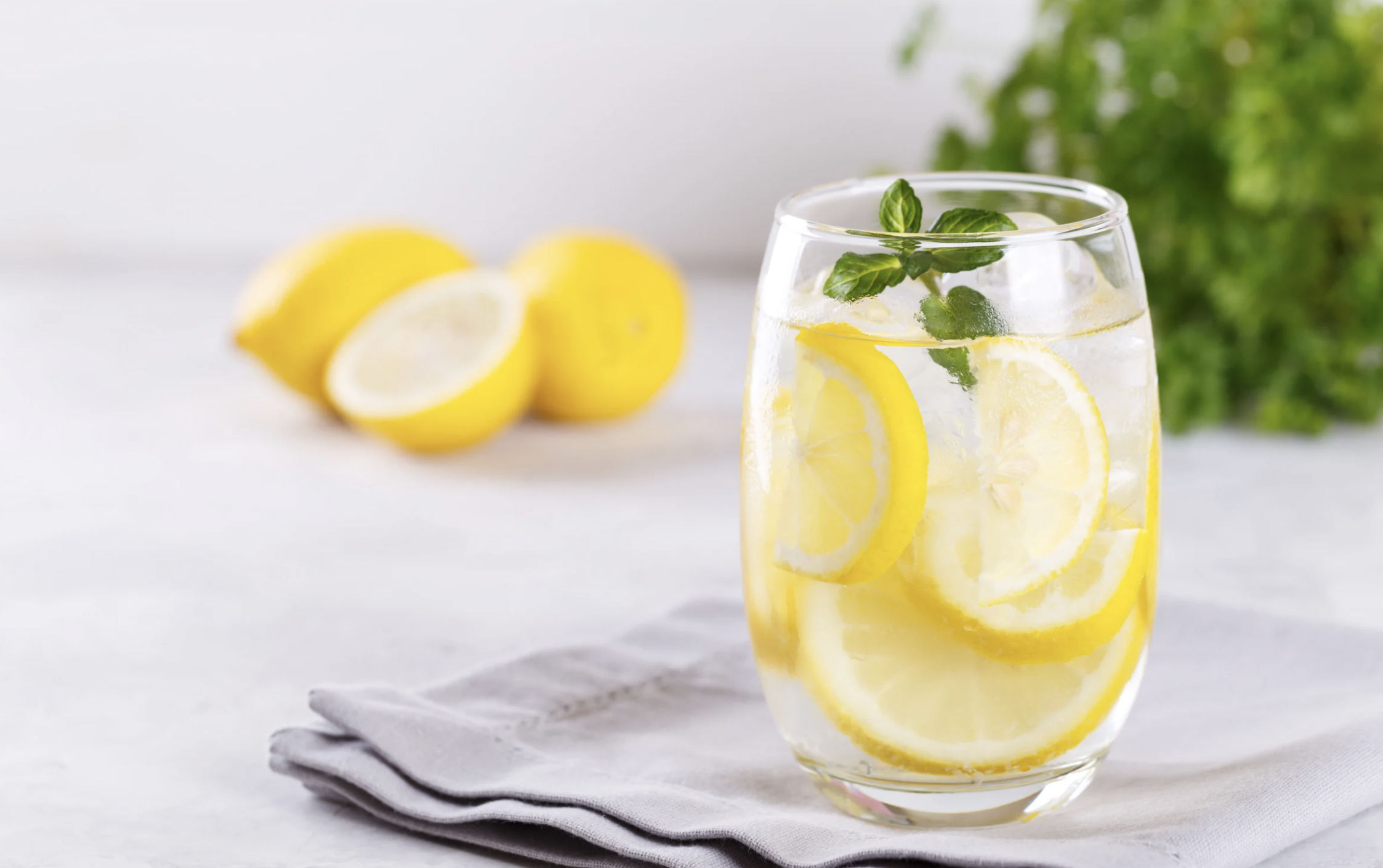
If you’re doing a strict fast, any caloric intake is considered breaking your fasting window. In this case, only drinking zero-calorie drinks is the best way to go. Drinks like water, black coffee, unsweetened tea are all acceptable to keep you hydrated but not take you out of a fasted state. For those of you that enjoy citrus-infused water, check out my post on whether lime or lemon water breaks intermittent fasting.
A strict fast is especially important if the goal of your fast is autophagy, since any amount of calories will negatively impact this process.
On the other hand, you might be doing a modified fast (eating about 25% of your usual caloric intake), where specific food and drinks are allowed during this period. This type of fasting is a common weight loss method — and there is a lot more flexibility in what you can consume without ‘breaking’ your fast. In this case, Splenda might be safe to consume while fasting.
What is Splenda made of?
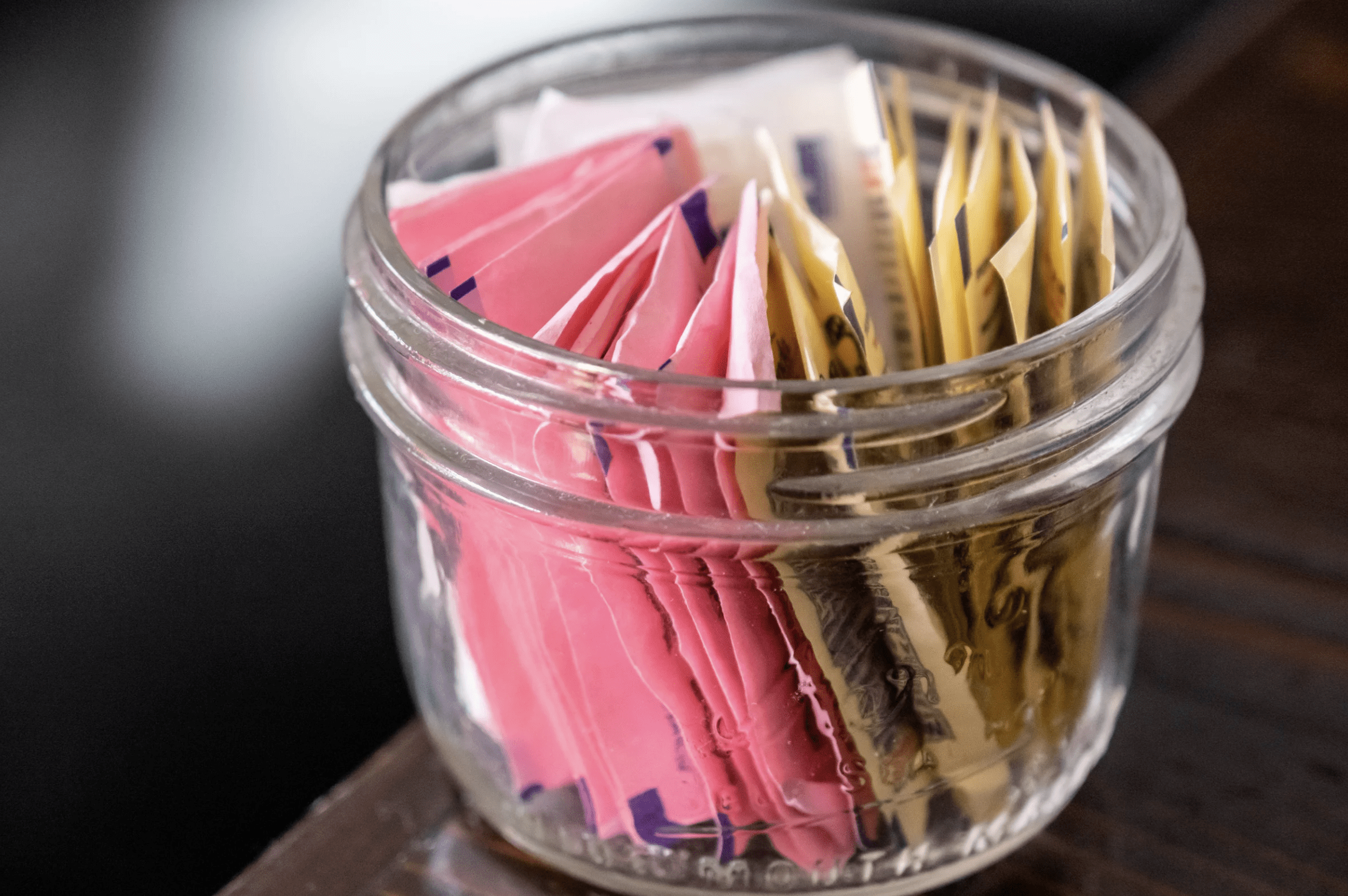
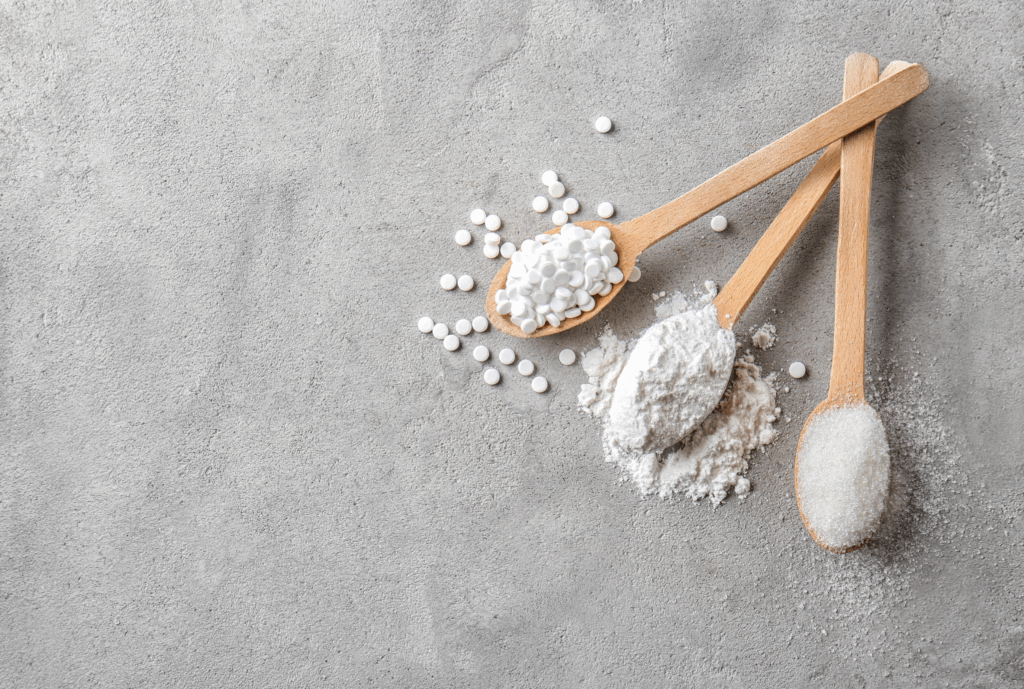
Splenda is actually the brand name for this artificial sweetener, which mainly consists of sucralose; a very intense sugar substitute. Our bodies actually can’t digest sucralose, which is why it is a zero-calorie sweetener. But here’s the catch: Splenda doesn’t consist purely of sucralose. Maltodextrin or dextrose are also used to add volume and improve texture; unfortunately this also adds calories to this ‘zero-calorie’ sweetener.
According to Healthline, 100 grams of Splenda contains 3.36 calories (which is 0.03 calories per 1 gram serving). While this number is minuscule enough to be considered zero-calorie on a regular diet, it might still be a problem for a strict fast, especially if you’re consuming larger amounts of Splenda.
The effect of sucralose on insulin levels
While most research points to sucralose (the artificial sweetener used in Splenda) having a minimal impact on blood sugar and insulin levels, other studies have shown mixed results. Some claim that consuming sucralose can increase both blood sugar and insulin levels.
So, if your goal while intermittent fasting is to reduce blood sugar or insulin levels, it might be best to avoid using Splenda while fasting to minimise the risk of any unwanted spikes. And if you want to maintain stable blood sugar during even when eating regularly, here are 5 sneaky habits that might be messing with it.
Alternative sweeteners for fasting
If the goal of your intermittent fast is to achieve autophagy or reduced blood sugar/insulin levels, then stevia is an excellent alternative to Splenda. Stevia is a natural sweetener that is derived from the leaves of stevia plants. Since stevia is truly a zero-calorie sweetener and has virtually no effect on blood sugar or insulin levels, it is ideal for anybody fasting; whether their goal is weight loss, autophagy, or blood sugar regulation.
Monk fruit sweetener is another natural sweetener alternative, which similarly to stevia, shouldn’t break a fast. It is also zero-calorie, supporting autophagy, and studies available suggest that it doesn’t have any effect on blood sugar /insulin levels.
Tips when using sweeteners while fasting
Whether you choose to use Splenda, stevia, or monk fruit sweetener, here are a few helpful tips to minimise the risk of breaking your fast.
- Stick to a form of sweetener that doesn’t contain any additives like pure sucralose powder or pure stevia drops.
- Use your sweetener of choice sparingly while fasting.
- Know what your fasting goal is, since this determines which sweeteners are appropriate to use.
- Stay hydrated with plenty of water and electrolytes to avoid over-reliance on sweeteners while fasting.
- Monitor your body’s response to the sweetener. Everyone is different and your body might be more or less sensitive to certain ingredients.
Key takeaways: when is taking Splenda right for you?
If you’re still unsure whether Splenda or not while fasting, here’s a quick summary:
Splenda SHOULDN’T break your fast if your goal is to lose weight, and you’re not on a strict fast where every calorie matters.
However, Splenda MIGHT break your fast if your goal is to achieve autophagy or reduce blood sugar or insulin levels. If your goal is the latter, stevia is a great alternative, while stevia OR monk fruit sweetener are both great if you’re fasting for autophagy.
Remember, each body can respond differently to sweeteners while fasting, so it might be best to test your sweetener of choice and monitor your body’s response. If you’re new to intermittent fasting, it’s also important to talk to a medical professional before starting, since fasting can be dangerous for people with certain health conditions.
Whichever reason you’re fasting for, remember to do what works best for you and your needs!


Leave a Reply