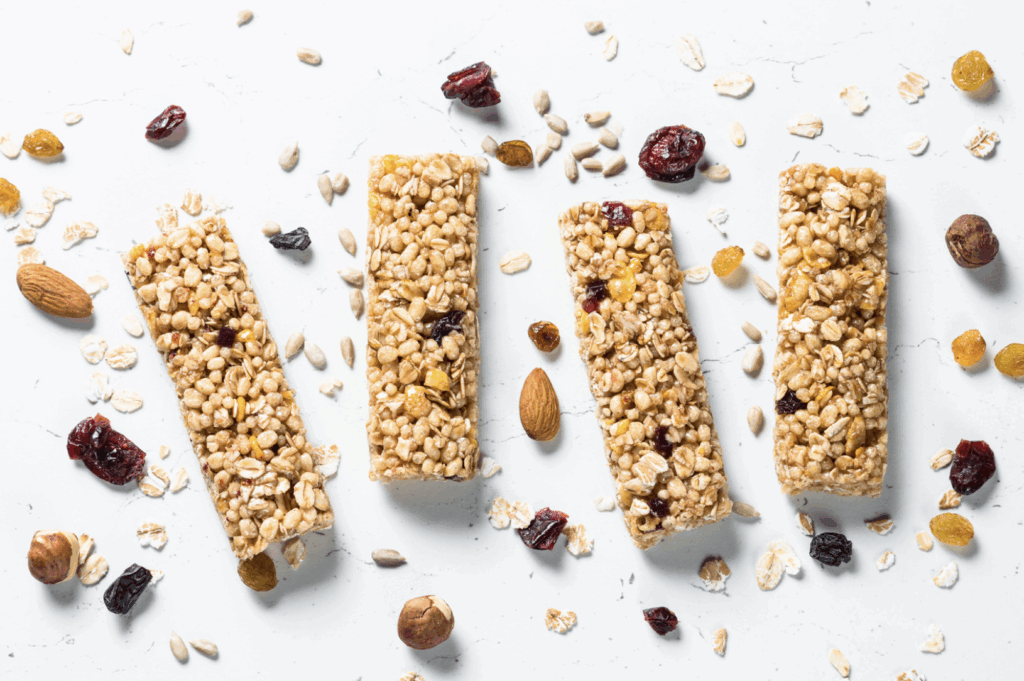
In a world where there seems to be a new supplement snack every week, it can feel overwhelming to know which one’s actually worth buying. Fiber One bars (also known as Fibre One outside the U.S) are a popular and convenient option, particularly for those looking for to boost their fibre intake. They’re marketed as a “guilt-free”, high-fibre snack, with plenty of delicious flavours that undoubtedly make them a satisfying treat.
But is a Fiber One bar actually healthy? Or are there better fibre-rich foods to reach for instead?
The short answer: Fiber One bars can boost your fibre intake, but they may not be the healthiest high-fibre option out there. Most of these bars are highly processed, and many of the added ingredients don’t offer much nutritional value compared to other naturally fibre-rich foods.
As always, what’s healthy for you will depend on your individual health goals – whether that’s weight loss, blood sugar balance, or eating more whole foods. So let’s take a closer look at what’s inside a Fibre One bar and whether it aligns with your goals.
What’s inside a Fiber One bar
The nutritional content of Fiber One bars varies depending on the flavour and variety, but one bar typically contains:
- 70 to 140 calories
- 5 to 9 grams of fibre
- 2 to 10 grams of sugar
- 2 grams of protein (excluding their protein bar line)
For example, their popular oats and chocolate chewy bar contains:
- 150 calories
- 9 grams of fibre
- 8 grams of sugar
- 2 grams of protein
- 4 grams of fat
- 30 grams of carbohydrates
Ingredients to pay attention to

Chicory root extract
Chicory root extract is used in Fiber One bars as one of the main fibre sources, as it contains a fibre called inulin. Chicory root extract has plenty of benefits like promoting a healthy gut and digestive system, although it can also cause discomfort and bloating for some people, especially if consumed in excess.
Vegetable oils
Fiber One bars contain oils like sunflower, canola, and palm kernel oil which are all highly refined and processed. These oils contain omega-6 fats – and excessive consumption of this type of fat can lead to inflammation and other health risks. This isn’t to say that these vegetable oils are inherently bad, but they also don’t offer much nutritional benefit.
Added sugars and artificial sweeteners
Fiber One bars use a range of added sugars like fructose, sugar, and corn syrup. While these might make the bars tastier, they can also cause blood sugar spikes, especially those kinds that contain higher amount of added sugar.
Some bars also contain artificial sweeteners like maltodextrin and sorbitol, which might bring the calorie count down, but can lead to digestive and gut issues for some people.
Thickeners
Many Fiber One bars contain thickeners and stabilisers like xanthan gum and locust bean gum. This makes the bars more appealing in texture, and while they are considered safe to use in products, they can cause bloating and discomfort for some people.
Depending on the flavour, you may also see ingredients like wheat flour, cocoa powder, egg white, milk powder, and salt on the label. This will vary greatly between products.
Do Fiber One bars support your health goals?
If your goal is weight loss: These bars might be a good match since many are low-calorie.
If your goal is to increase fibre intake: Fiber One bars contain plenty of fibre (up to 35% of your recommended daily intake), making them a good choice in this case.
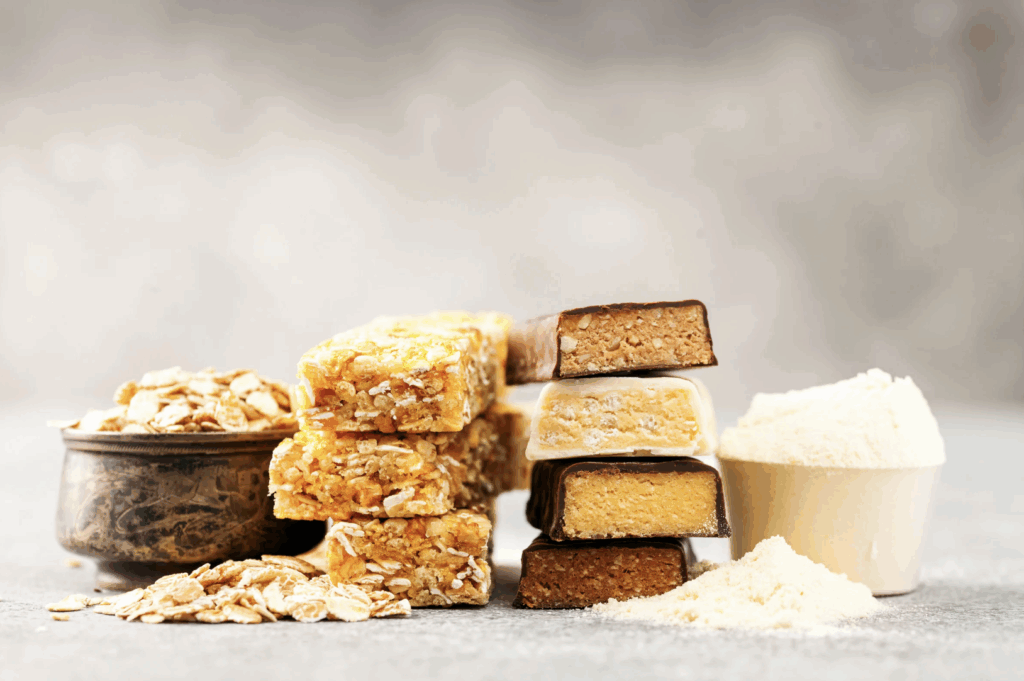
If your goal is to increase protein intake: Most Fiber One bars (except for the high-protein varieties) don’t have sufficient protein on their own to keep you full or encourage muscle repair.
If your goal is to balance blood sugar: They might not be the best option, since both added sugars and artificial sweeteners can affect blood sugar.
If your goal is to eat more whole foods: Fiber One bars don’t really fit this approach. These bars contain highly processed ingredients like artificial sweeteners, thickeners, and flavourings.
Healthier alternatives to Fiber One bars
For those of you looking for a less processed, more nutritious fibre-rich snack, there are plenty of great on-the-go options.
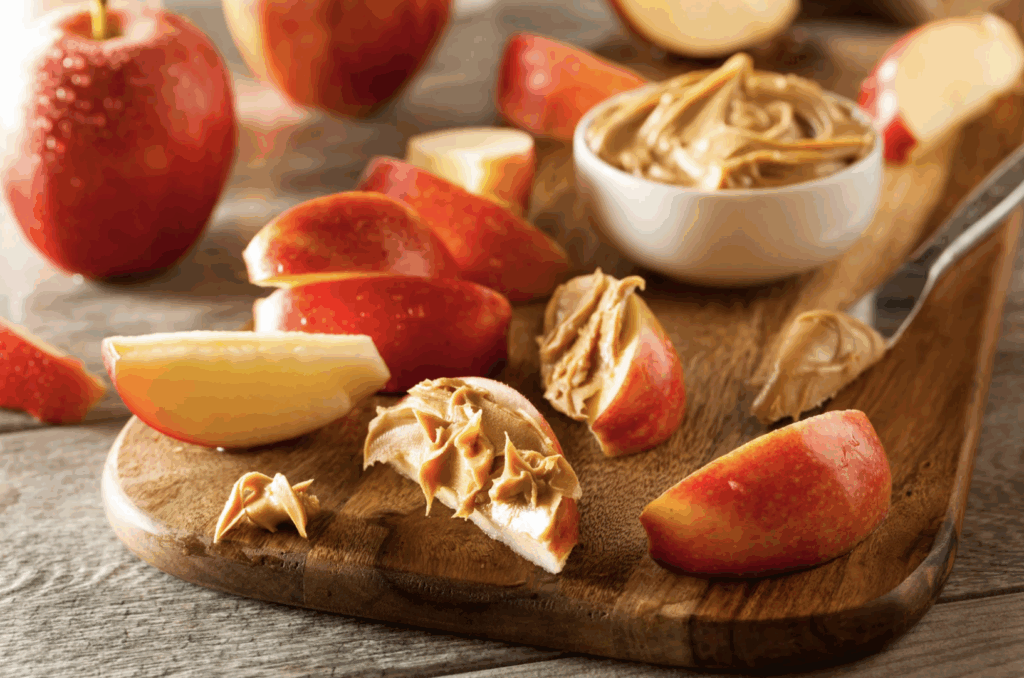
- Apple slices and almond butter: One medium sized apple contains around 4.5 fibre and two tablespoons of almond butter adds around 3 grams of fibre – giving you 7.5 grams of fibre in one sitting.
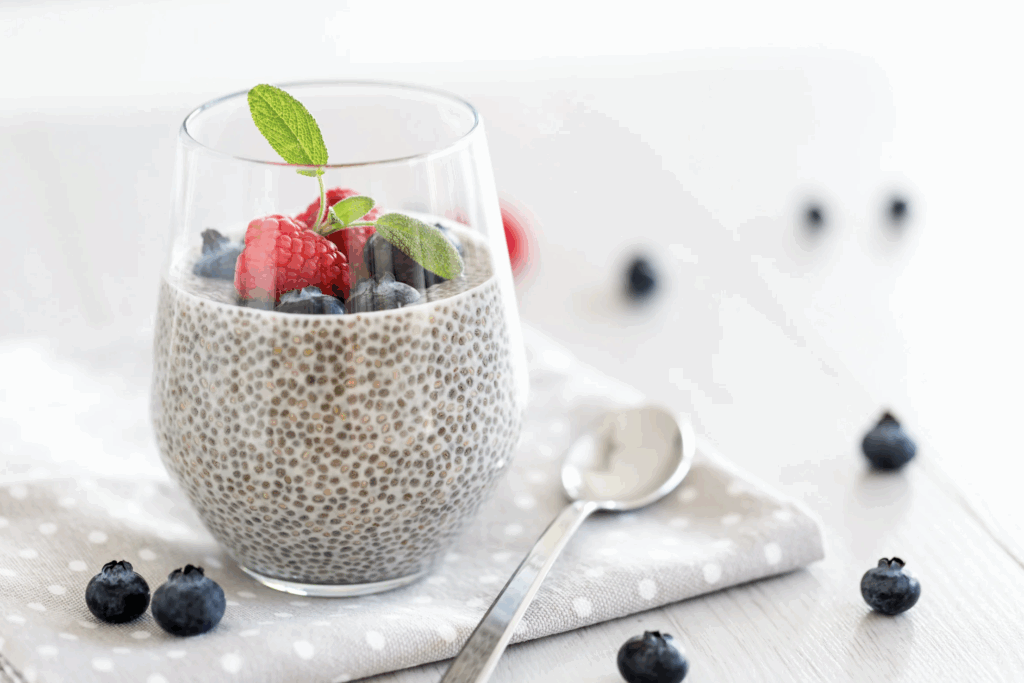
- Homemade chia pudding: Two tablespoons of chia seeds contain nearly 10 grams of fibre! Plus, you can easily up to the fibre content by adding toppings like mixed berries or nuts. Click here to try this easily customisable 4-ingredient chia pudding recipe.
- Carrot sticks and hummus: A 1/2 cup serving of carrot sticks and a 100 gram serving of hummus gives you around 6 grams of fibre combined. And they’re super easy to pack for an on-the-go snack.
- Homemade energy or protein balls: Look for recipes that include ingredients like rolled oats, dates, chia seeds, and nuts, since these are all high in fibre. These carrot cake protein balls are a great snack to pack for the road, with 2.5 grams of fibre per serving.

Final answer: are Fiber One Bars healthy?
While Fiber One Bars are a great source of fibre and a convenient snack, they aren’t necessarily the healthiest option out there in terms of nutrition, especially if you’re over-relying on them for your fibre intake. Many of these bars contain added sugars, vegetable oils, and thickeners – which make them tastier but doesn’t provide your body with additional nutritional value. Fibre One bars can absolutely still fit into a balanced diet, but there are plenty of other nutrient-dense and naturally fibre-rich foods, that can leave you feeling your best.


Leave a Reply